What Is a Peer-to-Peer Delivery Service? (And Why It's Changing How America Ships)
Community StoriesShipping a package used to mean one thing: drop it at a counter, pay a flat rate, and hope it shows up on time. Today, a new model is rewriting that story: the peer-to-peer delivery service.

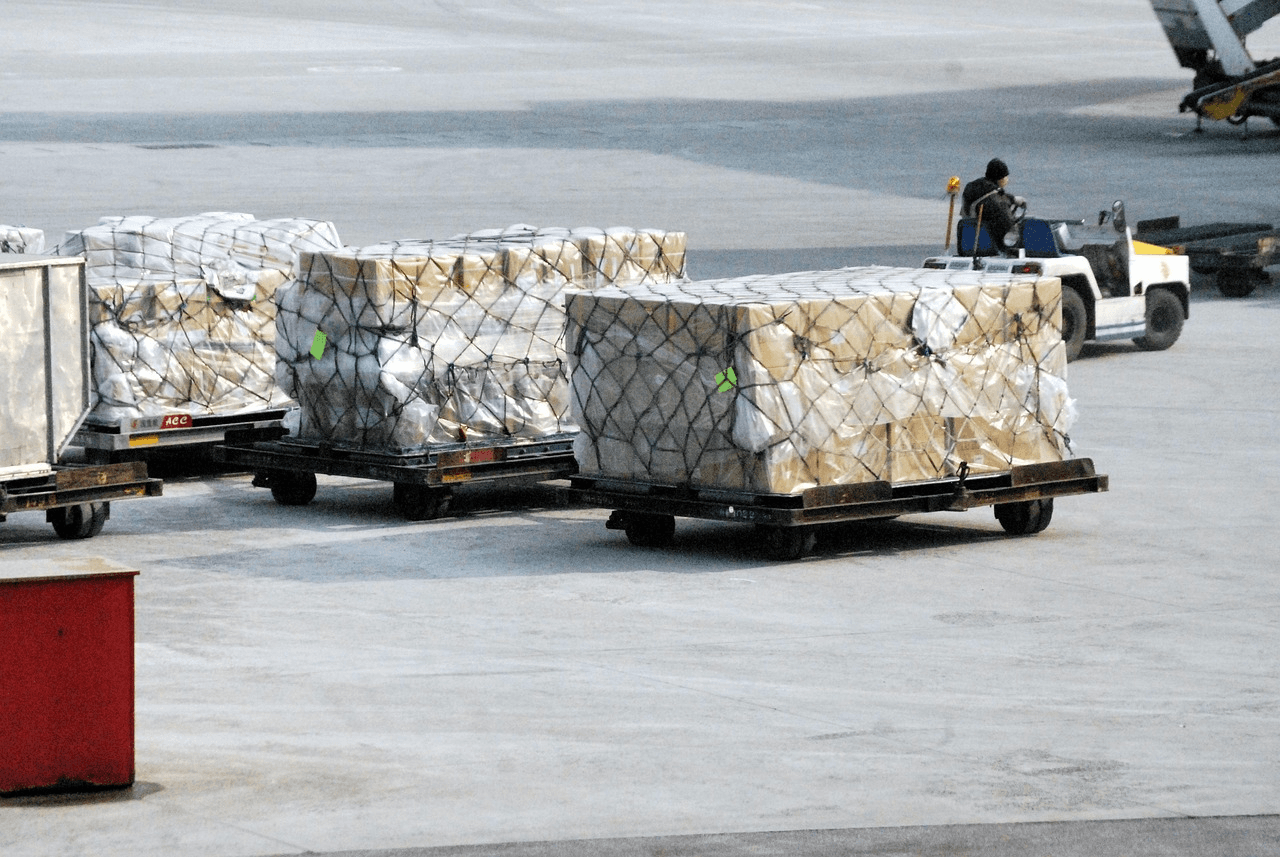
Instead of routing your package through a massive logistics network of warehouses and depots, a peer-to-peer delivery service connects you directly with everyday people - drivers, commuters, and travelers - who are already heading toward your destination. They carry your package along their existing route, and you pay a fraction of what a traditional courier would charge.
- 01
How a Peer-to-Peer Delivery Service Works
The concept is simple. First, you post your delivery with the pickup location, drop-off point, package size, and timing. Nearby carriers - real people already traveling that route - respond with offers to deliver it. You choose a carrier based on price, rating, and estimated arrival time, then track the delivery live and pay only once the package is safely delivered. This is the model RideApack runs on. Instead of your package sitting in a sorting facility for days, it moves directly with someone who was going to make that trip anyway, whether that is across town or across the country.
- 02
Why People Are Switching to Peer-to-Peer Delivery
It is more affordable because traditional couriers price in warehouses, fleets, and overhead, while peer-to-peer delivery cuts that out so you pay closer to the true cost of the trip. It is often faster, too: a courier van makes dozens of stops along a fixed route, while a carrier already driving from New York to Boston can get your package there in hours rather than days. The model is transparent because you see carrier bids, ratings, and reviews before you choose, and flexible because odd-shaped items, oversized boxes, or last-minute shipments can often be matched with a carrier who sets their own terms.
- 03
Is It Safe?
This is the most common question, and it is a fair one. A trustworthy peer-to-peer delivery service should offer ID-verified carriers with background checks, live GPS tracking for every delivery, secure escrow-style payments released only after delivery, package protection or insurance if something goes wrong, and ratings and reviews that hold both sides accountable. RideApack builds these safeguards into every delivery, so you are never guessing who is carrying your package or where it is.
- 04
Who Uses Peer-to-Peer Delivery?
Senders use peer-to-peer delivery when they want a cheaper, faster alternative to standard shipping for items big or small, from a guitar to a moving box. Carriers and travelers use it when they are already driving somewhere and want to earn extra money along the way, helping to cover gas and more. It is a two-sided marketplace built on trust, and that is why peer-to-peer delivery is quickly becoming a go-to alternative to traditional shipping in the United States.
Try RideApack for Your Next Delivery
RideApack is a peer-to-peer package delivery app built for real people, real routes, and real savings. Search nearby carriers, compare bids, and track your package in real time, then pay only when it arrives.
Written by
RideApack Team
The RideApack editorial team brings you the latest tips, guides, and stories from the world of community-powered delivery.
Related articles

Sustainable Delivery: Moving Together for a Better Planet
How peer delivery cuts extra trips, shares rides that already exist, and helps neighbors send and receive with less waste.
The Cheapest Way to Send a Parcel: Comparing Package Delivery Apps, Couriers & Peer-to-Peer Options
Shipping a box across town, or across the country, shouldn't cost more than what's inside it. Yet anyone who has priced out a shipment with a legacy carrier knows the sting: dimensional weight fees, fuel surcharges, "residential delivery" add-ons, and a final total that's double the original quote. The good news is that how people send parcels has changed. Between traditional couriers, modern package delivery apps, and a newer category, peer-to-peer delivery services — there are more ways than ever to move a package, and the price differences between them are significant. This guide breaks down each option so you can find the cheapest way to send a parcel without gambling on speed or safety.
Package Delivery Apps: How RideApack Compares
Traditional package delivery apps often rely on hubs and fixed fleets. See how peer-to-peer matching with travelers can mean flexible routes, upfront pricing, and fewer wasted miles for USA senders.